Walk into any dispensary in New Jersey and you’ll see the same three words on every menu: sativa, indica, and hybrid. For most people, that’s the starting point — and the ending point — of how they choose what to buy.
But here’s the truth: those three labels are a useful starting point, but they don’t tell you the whole story. The real drivers behind how a strain makes you feel are terpenes and secondary cannabinoids — the chemical compounds in the plant that create the actual effects. If you understand those, you’ll make better choices and have better experiences every single time.
This guide breaks down what sativa, indica, and hybrid actually mean, where those labels are helpful, where they fall short, and what to pay attention to instead when you’re choosing your next strain.
Sativa, Indica, and Hybrid: The Basics
The terms sativa and indica originally described how the cannabis plant physically grows, not how it makes you feel. Over time, the industry adopted them as shorthand for effects, and while that shorthand is helpful, it’s not the full picture.
Indica plants tend to be short and stocky with wide, broad leaves. They typically finish flowering faster. The effects associated with indica strains are usually described as relaxing, sedating, and body-heavy — the classic “couch lock” feeling. People often reach for indicas at night or when they want to wind down.
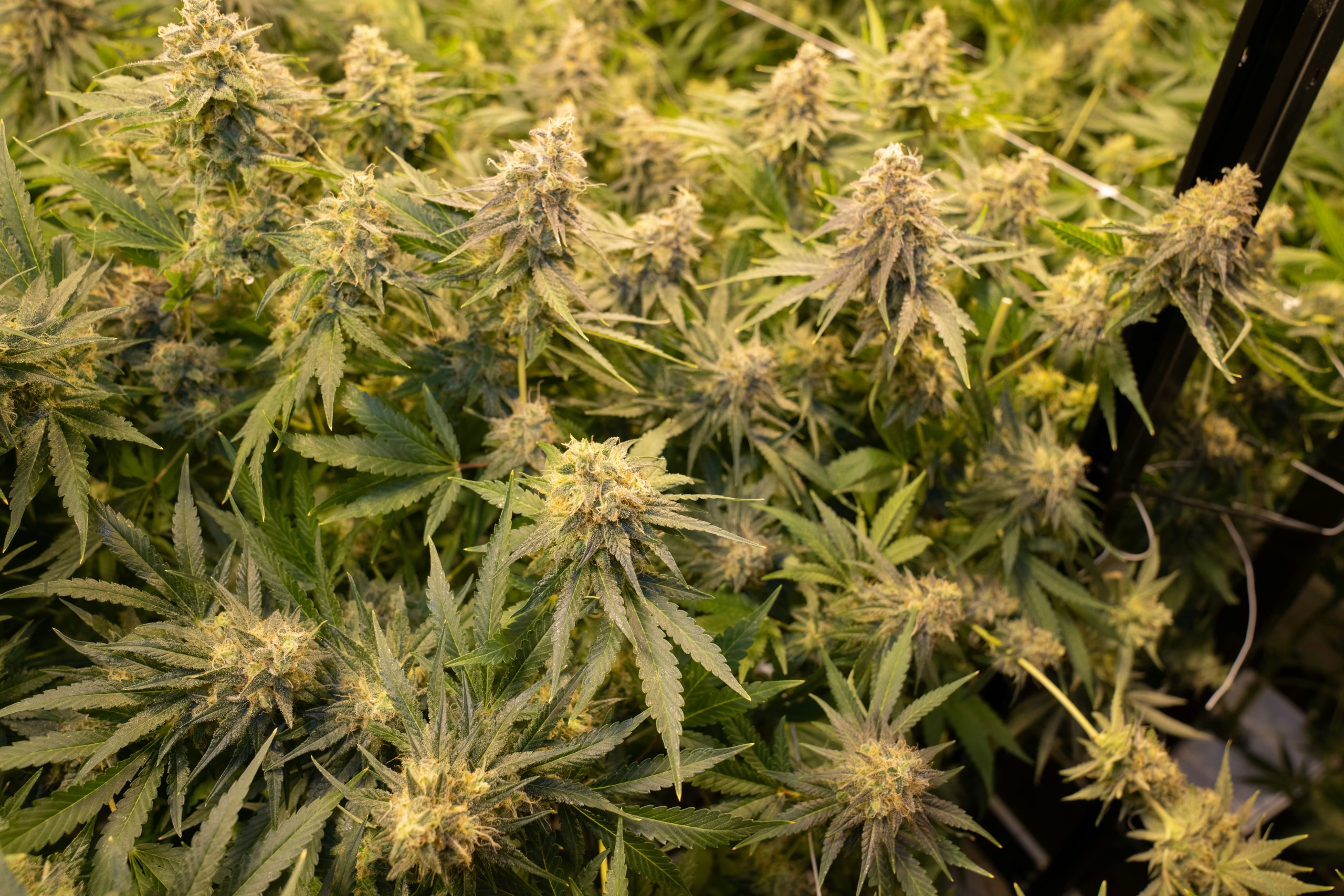
Sativa plants grow tall and stretchy with long, narrow leaves and generally take longer to finish flowering. The effects associated with sativas are typically described as uplifting, energizing, and cerebral — more of a head high than a body high. People tend to choose sativas for daytime use, creativity, or social situations.
Hybrid strains are crosses between sativa and indica genetics. The truth is, most strains on the market today are hybrids to some degree. They’re usually described as “sativa-dominant,” “indica-dominant,” or “balanced” depending on which side their effects lean toward. Hybrids are where the most interesting and nuanced effects tend to show up.
Why Sativa and Indica Labels Aren’t Enough
Here’s where it gets important. If you’ve ever smoked an “indica” that made you feel wired, or a “sativa” that put you to sleep, you’re not crazy. It happens because the sativa/indica label only tells you part of the story.
When a strain is categorized as sativa, indica, or hybrid without any deeper analysis of its chemical profile, it’s basically a guess based on lineage or growth characteristics. There’s no real science backing up the idea that every indica will relax you or every sativa will energize you. Some products are labeled generically with no terpene or cannabinoid data at all — and when that’s the case, you’re relying on a label instead of actual information.
The better approach? Start with what you’re trying to feel, and then look at the terpenes and cannabinoids to find the strain that’s most likely to get you there.
Terpenes: The Real Driver Behind How Cannabis Makes You Feel
Terpenes are aromatic compounds found in cannabis (and in thousands of other plants) that play a major role in shaping the effects of each strain. They’re the reason different strains smell and taste different, and more importantly, they’re a key part of why different strains feel different.
Here are the terpenes you’ll encounter most often and what they’re associated with:
- Myrcene — earthy, musky, sometimes fruity. The most common terpene in cannabis. Associated with relaxation and sedation. High myrcene content is a strong indicator that a strain will have calming, body-heavy effects regardless of whether it’s labeled sativa or indica.
- Limonene — bright citrus aroma (think lemons and oranges). Associated with elevated mood, stress relief, and energy. Strains high in limonene tend to feel uplifting and are often good choices for daytime use.
- Caryophyllene — spicy, peppery aroma. The only terpene known to interact directly with the body’s CB2 cannabinoid receptors, giving it potential anti-inflammatory properties. Associated with pain relief and stress reduction.
- Linalool — floral, lavender-like scent. Associated with calming effects, anxiety relief, and sleep support. If you’ve ever found lavender relaxing, linalool is the reason — and it works similarly in cannabis.
- Pinene — sharp pine aroma, like walking through a forest. Associated with alertness, focus, and mental clarity. Strains high in pinene can counteract some of the foggy feeling that THC sometimes produces.
- Terpinolene — complex aroma with floral, herbal, and slightly piney notes. Less common but found in some popular strains. Associated with uplifting, creative effects.
- Humulene — hoppy, earthy aroma (also found in hops, the plant used to brew beer). Associated with anti-inflammatory effects and appetite suppression.
The combination of terpenes in a strain — along with secondary cannabinoids like CBN, CBG, CBC, and others — creates what’s known as the entourage effect: the idea that all of these compounds working together produce a more complete and nuanced experience than THC alone. This is why a strain with 20% THC can feel completely different from another strain with 20% THC. The terpene and cannabinoid profile is what makes each strain unique.
Secondary Cannabinoids: The Other Piece of the Puzzle
THC gets all the attention, but it’s not the only cannabinoid doing work. The secondary cannabinoids in a strain contribute significantly to the overall effect, and understanding them can help you make much smarter choices.
- CBD (Cannabidiol) — non-intoxicating, widely known for its calming and anti-inflammatory properties. Strains with a balance of THC and CBD tend to produce a more mellow, less anxious experience.
- CBN (Cannabinol) — mildly psychoactive, commonly associated with sedation and sleep support. CBN is often found in aged cannabis as THC breaks down over time.
- CBG (Cannabigerol) — non-intoxicating, sometimes called the “mother cannabinoid” because other cannabinoids are derived from it. Early research suggests potential benefits for focus, inflammation, and gut health.
- CBC (Cannabichromene) — non-intoxicating, being studied for potential mood-enhancing and anti-inflammatory properties. Less well-known but increasingly found in full-spectrum products.
How to Choose the Right Strain: Start With What You’re Trying to Solve
Instead of walking into a dispensary and saying “I want a sativa,” try starting with the outcome you’re looking for. The best budtenders will ask you this question anyway, and the answer will lead to a much better recommendation than a generic label ever could.
Here’s a quick reference:
- Trying to fall asleep? Look for strains high in myrcene and linalool, or products with CBN. Indica-dominant strains are a good starting point, but the terpene profile is what will really determine whether a strain helps you sleep.
- Need energy or focus? Look for strains high in limonene, pinene, or terpinolene. Sativa-dominant strains often fit this profile, but again — check the terpenes.
- Managing pain or inflammation? Caryophyllene is your friend. Strains with a combination of caryophyllene, myrcene, and CBD tend to be effective for physical discomfort.
- Dealing with anxiety or stress? Linalool and CBD-rich strains are often a good match. Be cautious with very high THC percentages if you’re prone to anxiety — more THC isn’t always better, and a balanced profile can be much more comfortable.
- Looking for something social or creative? Limonene and terpinolene-forward strains tend to produce uplifting, conversational effects without heavy sedation.
A Note on THC Percentage
One of the biggest misconceptions in cannabis is that higher THC percentage automatically means a better or stronger experience. It doesn’t. THC percentage tells you how much of one cannabinoid is in the product, but it says nothing about the terpenes, the secondary cannabinoids, or the overall quality of the flower.
A well-grown strain at 22% THC with a rich terpene profile and strong secondary cannabinoids will almost always produce a better, more complete experience than a poorly grown strain testing at 30% with nothing else going on. Chase the profile, not the number.
When in Doubt, Talk to a Budtender
The best tool you have when choosing a strain isn’t an app or a percentage — it’s a knowledgeable person who can listen to what you’re looking for and point you in the right direction. A great budtender will ask you about the experience you want, your tolerance level, and any past strains you’ve enjoyed or disliked, and then match you with something based on actual chemistry, not just whatever’s popular that week.
Not every dispensary staffs for that level of knowledge, so it’s worth finding one that does. If the person helping you can talk about terpene profiles, the entourage effect, and secondary cannabinoids with confidence, you’re in the right place. If they can only tell you “this one’s a sativa and this one’s an indica,” you might want to keep shopping.
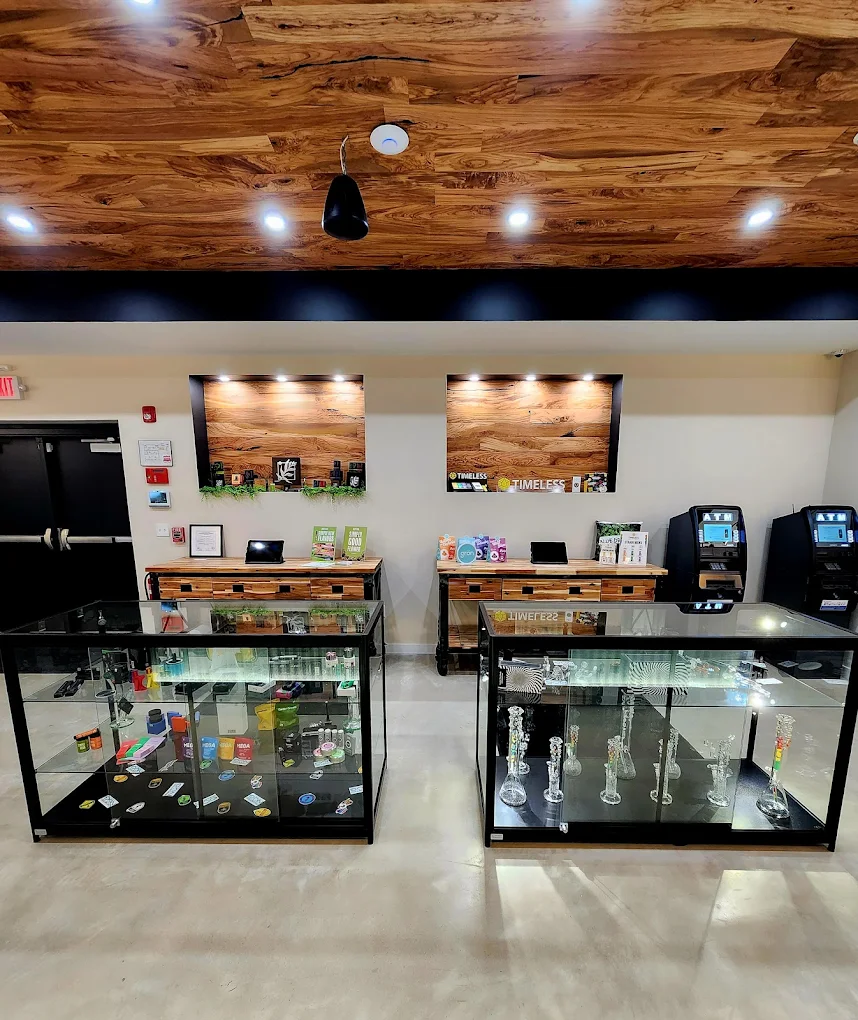
At The Frosted Nug in Carneys Point, NJ, our entire team is trained to help you navigate strains by effects, terpenes, and cannabinoid profiles — not just labels. If you want to smell the flower before you buy, check out our bud bars. If you want to browse on your own, our full menu is available in-store on self-service kiosks and online. And if you want a real conversation about what’s going to work best for you, that’s what we’re here for.